
See the garment before the sample exists.
Designer develops a concept from your own references, prints and description, photographs it front and back, and carries the same design through to technical flats, graded measurements and a tech pack.
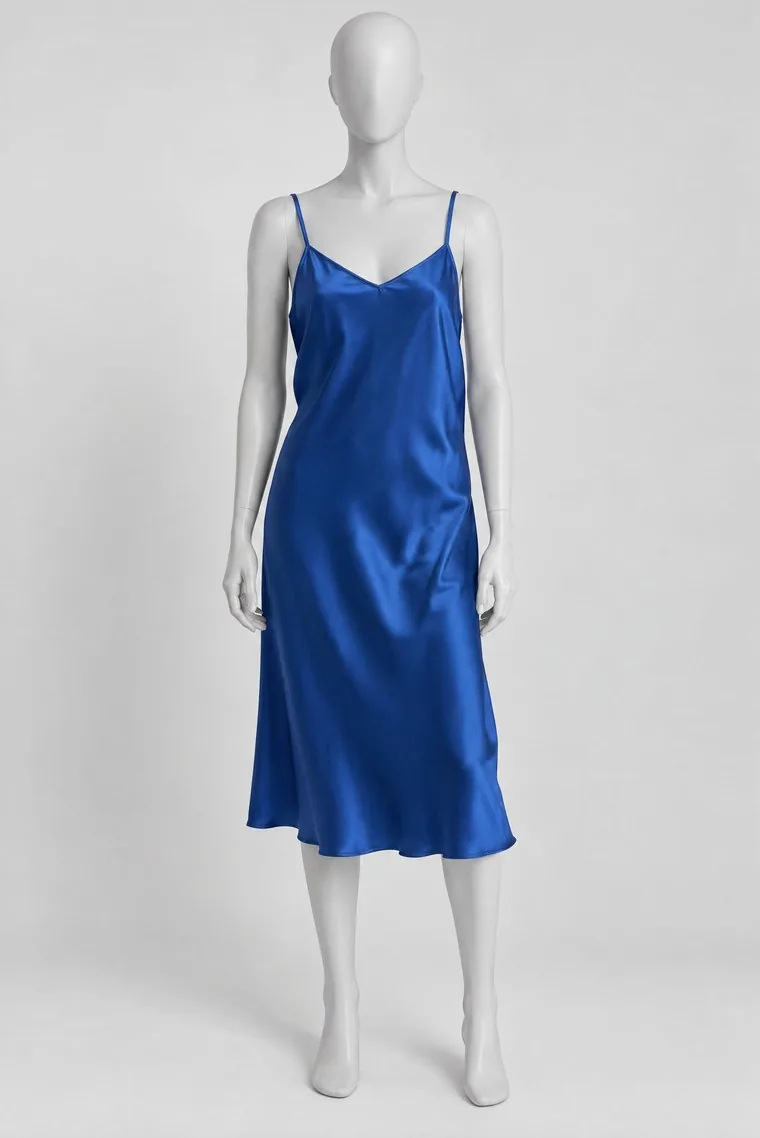
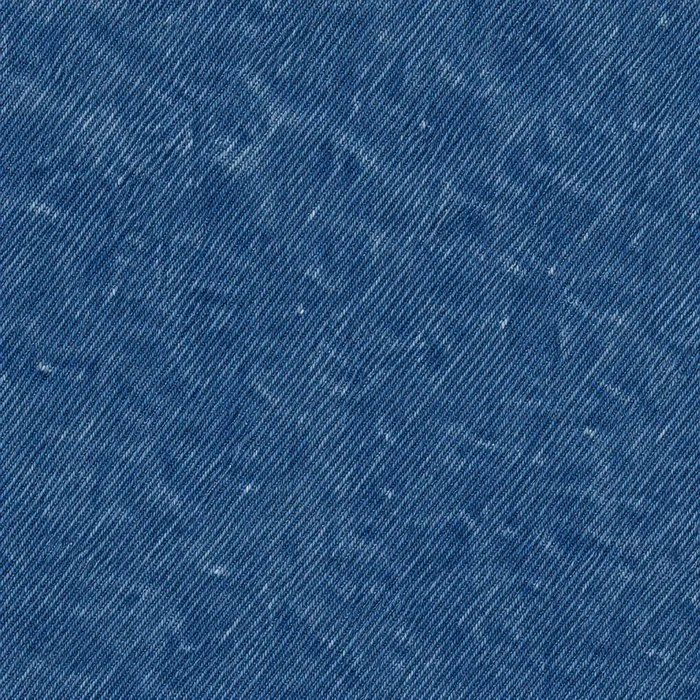
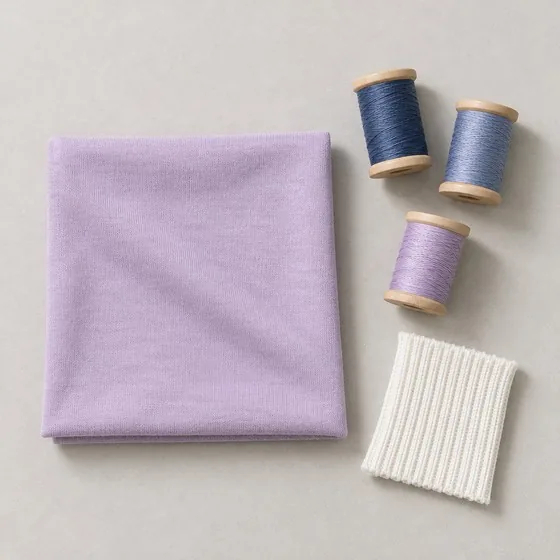
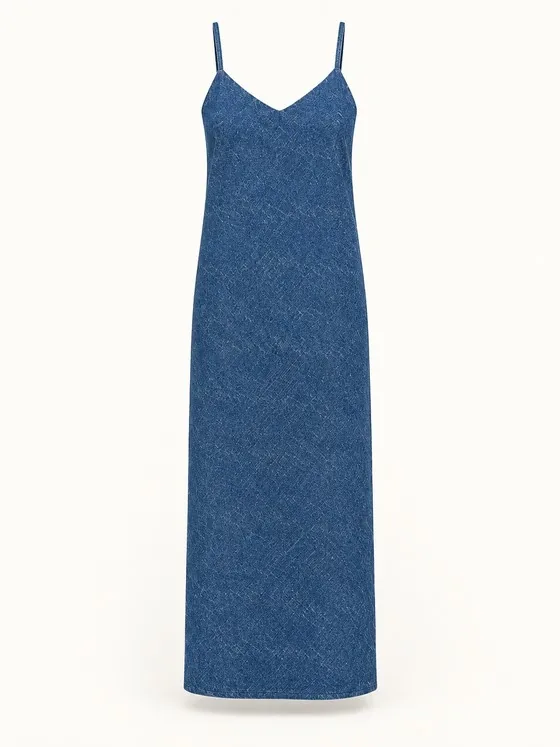
A concept spends weeks waiting for a sample nobody has seen
A silhouette, a wash, a print on a different body: each question waits for a physical sample, and the sample waits for a factory and a shipment. Teams fill the gap with mood boards and flat sketches, which answer what it looks like on paper and not what it looks like on a person. Designer closes that gap, and it does it without asking anyone to write prompts.
Start from an inspiration board
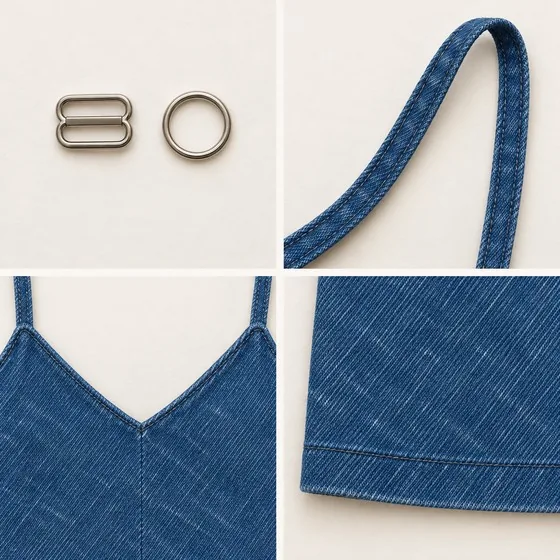
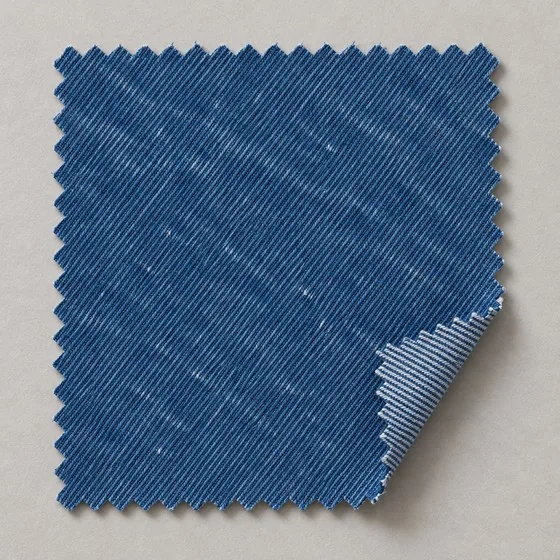
Drop in what the design comes from: a garment you want to change, the fabric, the trims, a mood. Mark each image as fabric, garment reference, artwork or mood. The agent reads the board and writes the garment's description, which you check before anything is drawn.
Shape it as a drawing first
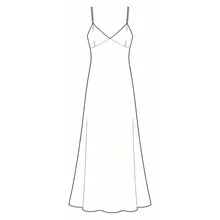
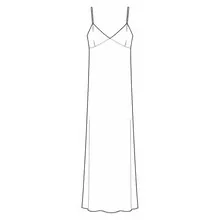
The first design is a front and back drawing, filled with your fabric. Ask for changes in plain words, or change a line yourself with Edit drawing and the fabric with Edit fill. Every round is a new revision, so nothing is overwritten.
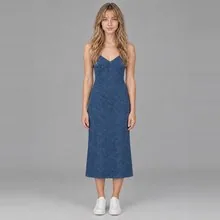
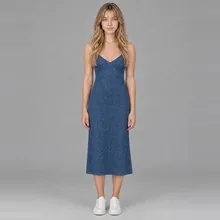
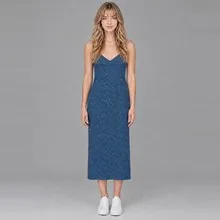
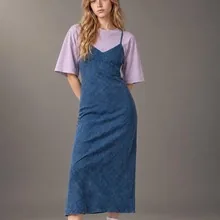
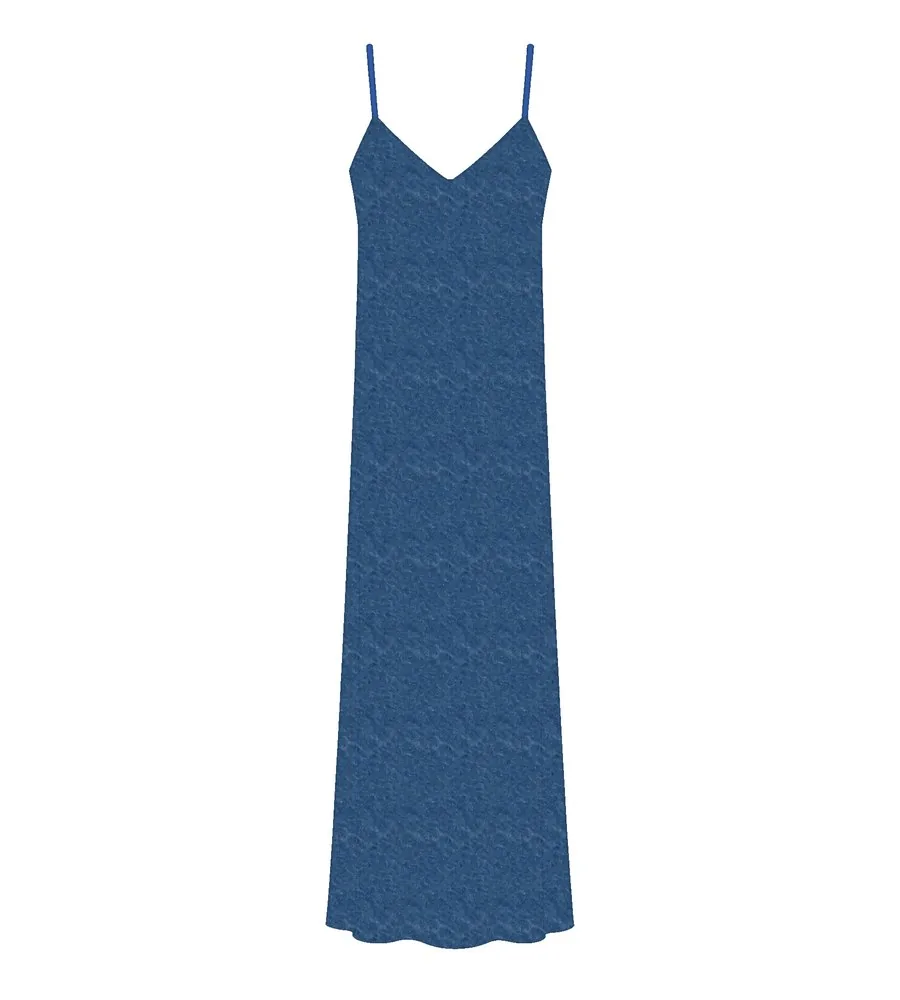
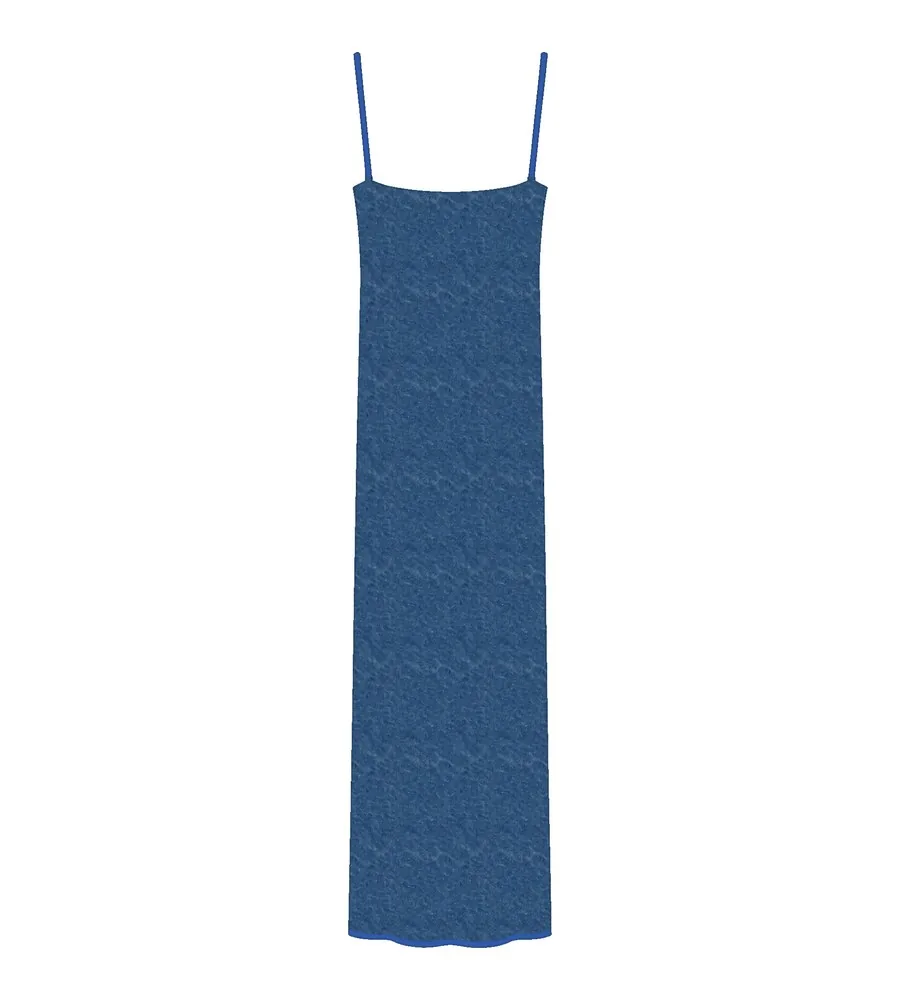
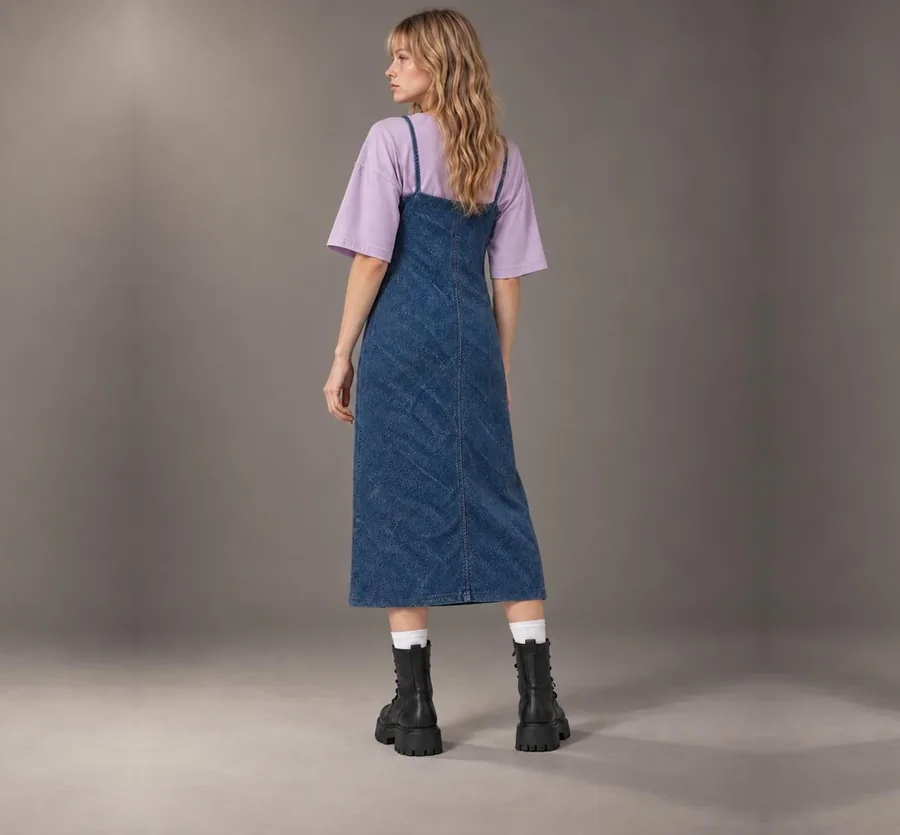
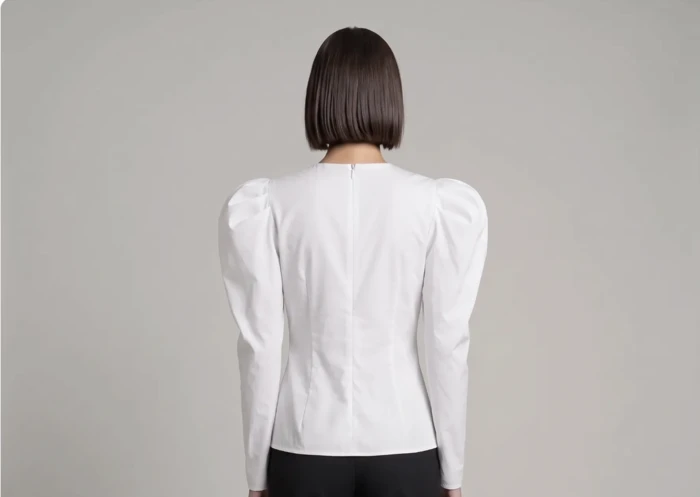
See it photographed, front and back
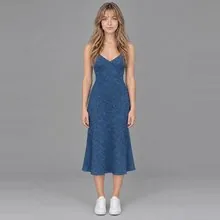
When the drawing is right, Designer photographs the garment on a model, front and back, styled the way you ask. From there the same revision goes on to technical flats, graded measurements and a tech pack.
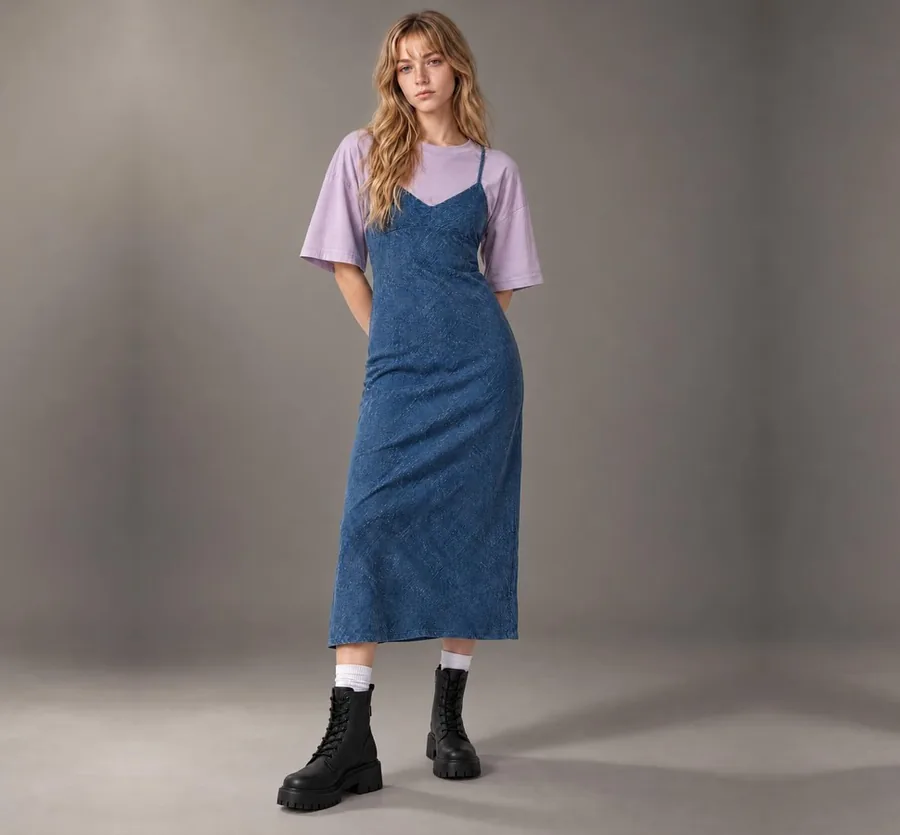
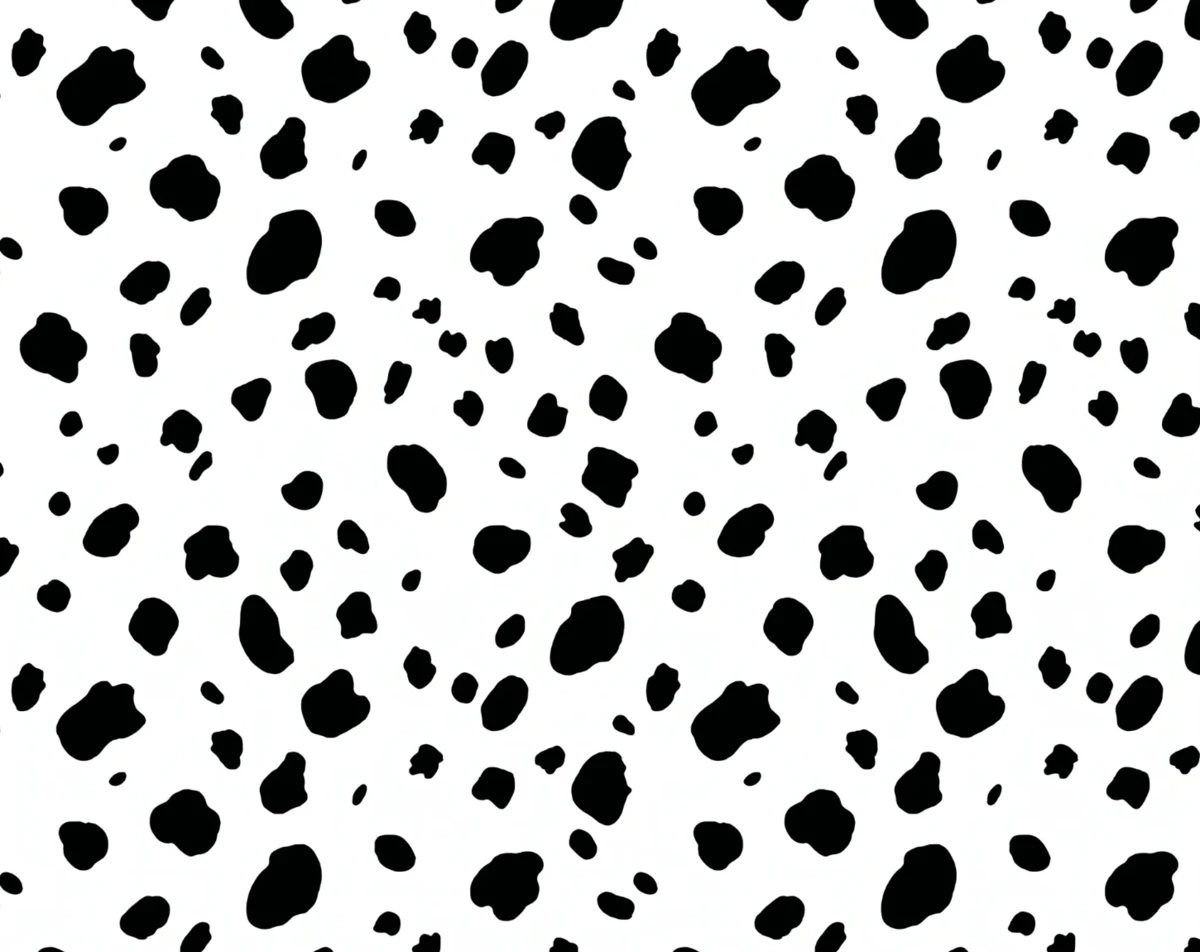
Test a print across the collection before anyone orders fabric
Generate a repeating print from a reference image, or upload one you already have and skip the agent entirely. Whether it repeats is set explicitly, left to right and top to bottom, so a print that has to tile on fabric is marked as one instead of being guessed at.
Your own graded measurements, not invented ones
Import the measurement charts you already work to. You edit the base size and the chart's grade step produces every other size, tolerances included. The import checks what it reads and flags what it cannot, so a row with no base value is marked rather than silently dropped.
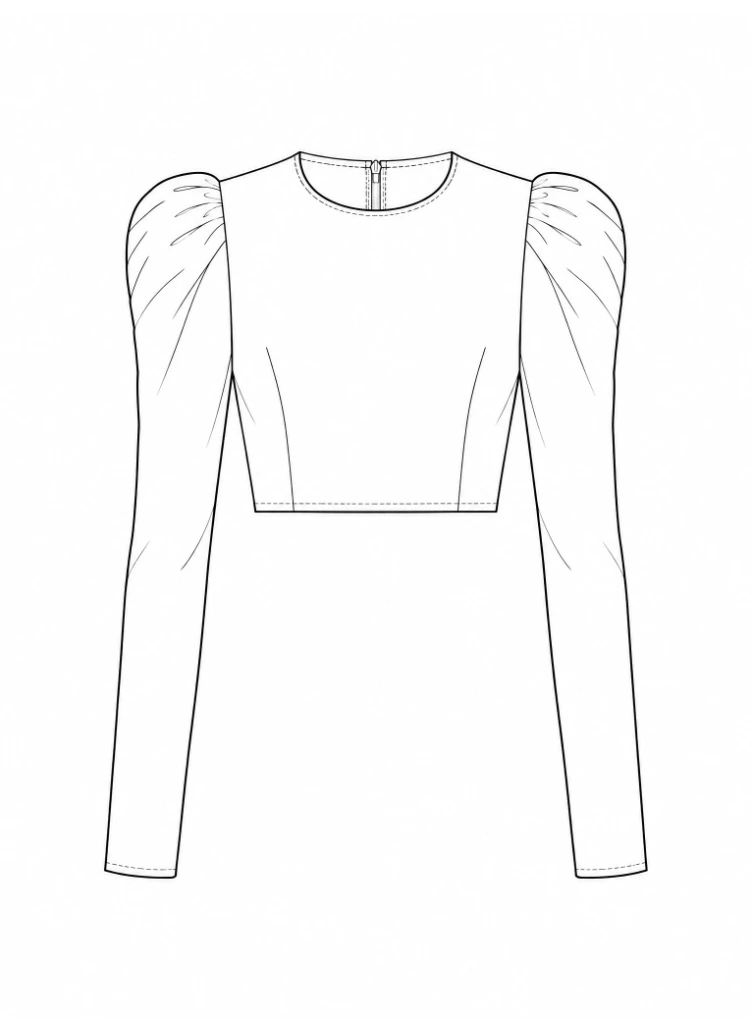
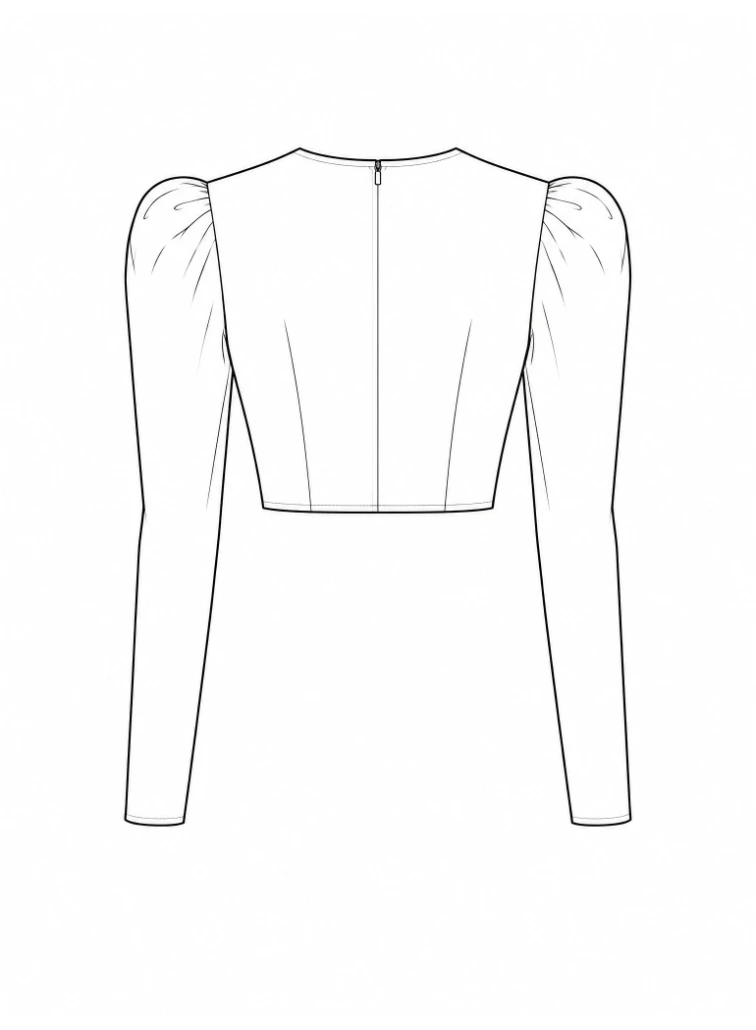
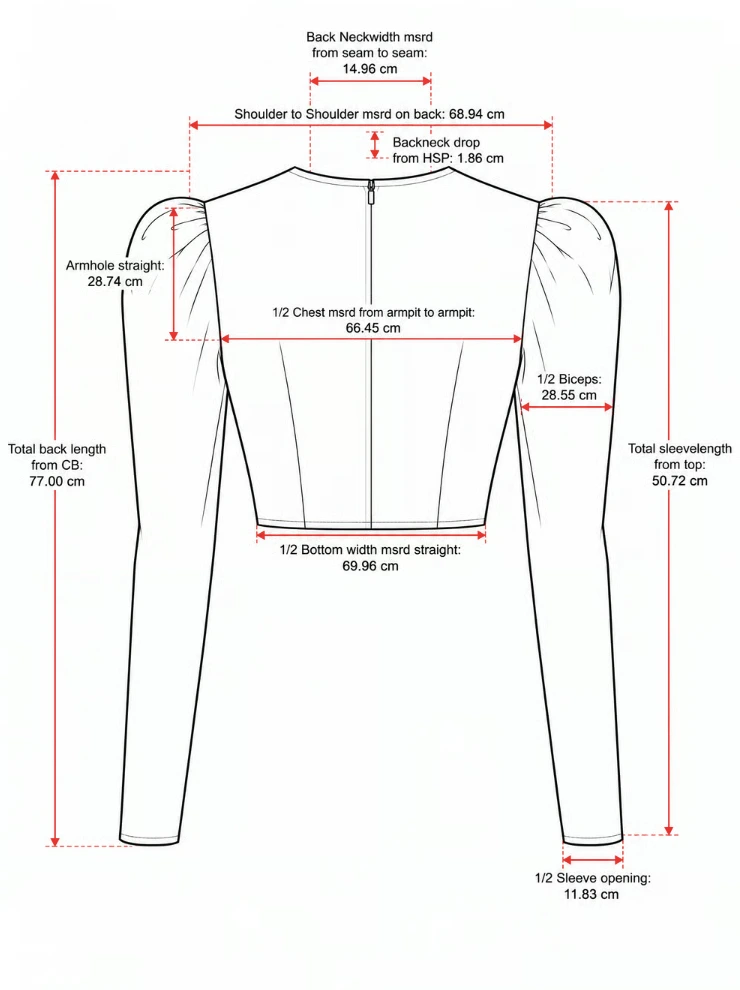
The drawing, dimensioned, without anyone redrawing it
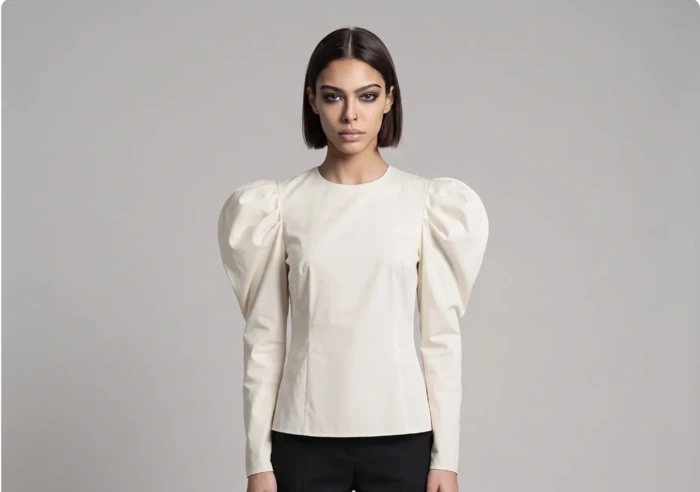
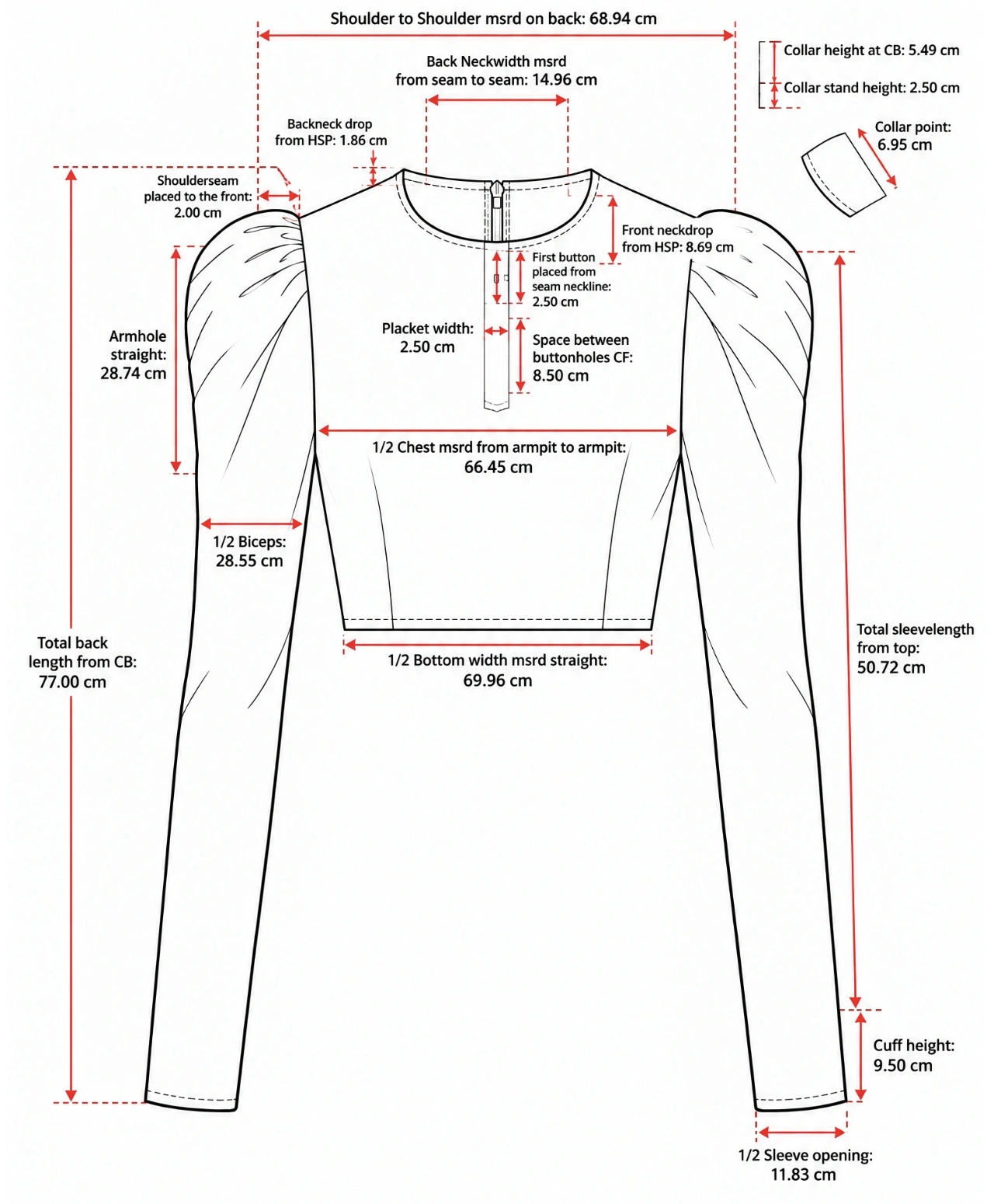
Technical flats are generated from the rendered garment, front and back. Once the measurements exist too, every point of measure is drawn onto the flats automatically, so the drawing and the numbers stay the same drawing and the same numbers.
One export your factory can read
A settled revision exports as a PDF: cover, front and back photographs, both technical flats, the description and outfit context, every reference with its label, and the full graded measurement table. The annotated flats come too, and only when the annotation matches that exact revision and chart. There is no bill of materials and no construction notes yet, and a colorway exports one at a time.
One brief, reaching every design in the collection
Group designs into a collection with a season, a status and a brief. The brief is not a label: it is injected into every generation for every design in that collection, which is what keeps twenty pieces reading as one range instead of twenty separate experiments.